
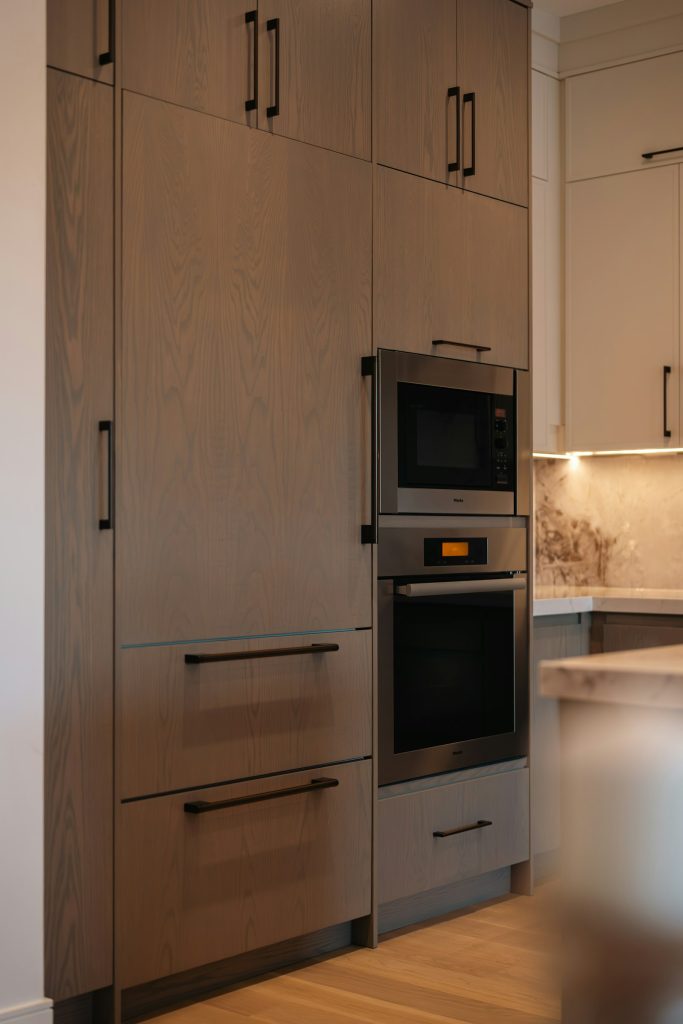
With asko combi steam ovens explained from the ground up: an OCS-prefix Asko oven, such as OCS64BSH, combines a conventional convection heating element with a steam generator that injects controlled humidity into the cavity during cooking. That combination lets a single oven do things a dry convection oven cannot, such as proofing bread dough at a precise low humidity, steaming vegetables without a separate pot, or finishing a roast with a blast of moisture that keeps the exterior from drying out while the interior comes up to temperature.
How the steam side of the cavity works
Asko’s own product material describes what it calls a Pure Steam System on its combi-steam ovens, a design intended to separate condensed water from the live steam being generated and recirculate it back through the cycle rather than letting condensation simply collect and drip inside the cavity. We flag that specific mechanism as consistent across multiple Asko sources rather than confirmed line by line in a fetched manual, but the general principle, a dedicated steam generator feeding a sealed cavity with drainage or recirculation for condensate, matches how every combi-steam oven documented in Asko’s manuals is built. Models like OCS8456S and OCS8664A share the same underlying combi-steam architecture, even where individual feature names vary by generation.
Energy class and build quality
Asko’s combi-steam ovens in markets where they are sold new carry high energy-efficiency ratings, with the OCS64BSH rated A++ on its published spec sheet, reflecting the insulation and door-seal quality needed to hold both dry heat and steam inside the cavity efficiently. That same door seal is worth paying attention to over the life of the appliance, since a steam oven puts more moisture load on the gasket than a dry convection oven ever will, and a seal that has hardened or cracked will let steam escape rather than build the humidity a recipe calls for.
What actually needs maintenance
The two components on a combi-steam oven that see the most wear are the door seal, for the reason above, and the water reservoir or inlet system that feeds the steam generator, which can develop mineral scale buildup over time depending on local water hardness. A reservoir that is not descaled periodically can eventually produce weaker steam output or trigger a problem, since the generator has to work harder to vaporize water through scale deposits. If you notice your steam function producing noticeably less visible steam than it used to, scale in the generator or feed line is one of the first things worth having checked before assuming a component has failed outright.
Servicing an OCS oven in the US
Because Asko’s current US catalog does not list ovens, a combi-steam OCS unit in an American kitchen almost always arrived through an earlier import, a spec’d European kitchen build, or a relocation. That does not make it any less real or any less serviceable; it just means parts sourcing runs through the Art. No. printed on the rating plate rather than a US retail parts counter, and lead times on a generator, seal, or gasket can run longer than for a US-market appliance. Our technicians work on imported Asko combi-steam ovens regularly and know to ask for that Art. No. up front.
Browse our full Asko model library for the specific ovens we service, or book a diagnostic visit at /schedule/. Asko’s own product information for the combi-steam oven line is published at global.asko.com.