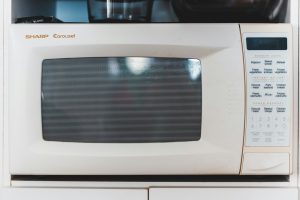
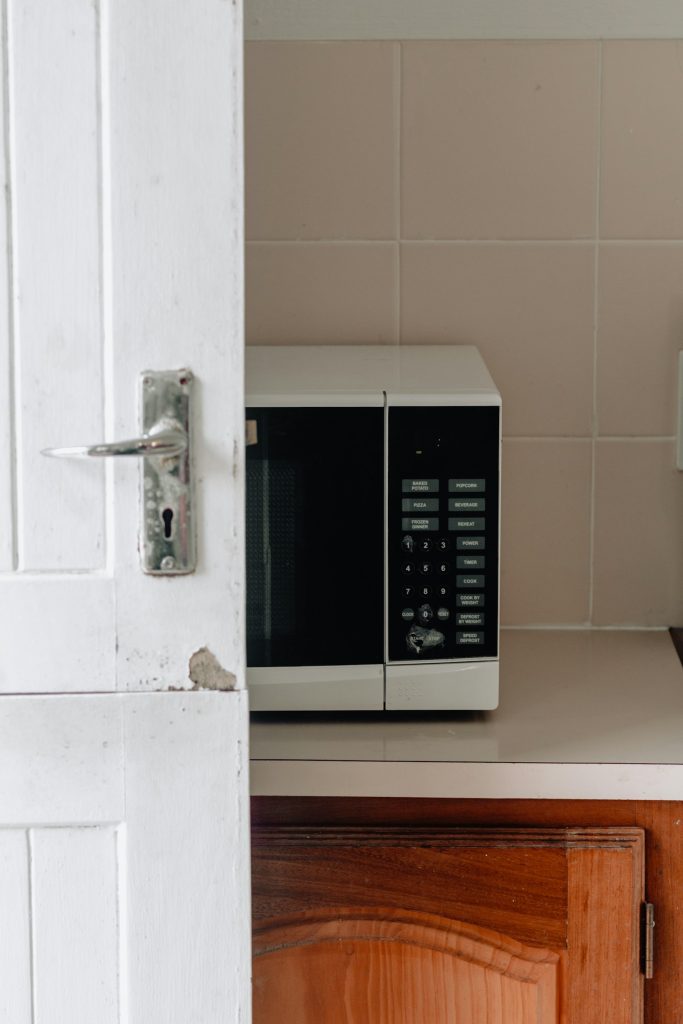
The “C” in OCM stands for exactly what makes these units different from a basic microwave: asko combi microwave convection cooking runs microwave energy and a true convection fan-and-heating-element system in the same cavity simultaneously, rather than offering them as two separate modes you switch between one at a time.
How the two heating methods work together
Microwave energy heats food by exciting water molecules throughout its volume, cooking quickly but producing little to no surface browning on its own. Convection heat, by contrast, circulates genuinely hot air around the food’s exterior, browning and crisping the surface the way a conventional oven does but generally taking longer than microwave energy alone. Running both together in asko combi microwave convection mode lets the microwave energy cook the interior quickly while the convection heat browns and crisps the exterior in the same amount of time – genuinely combining the strengths of both methods rather than compromising between them.
Why cookware matters more in combi mode
A container that is perfectly safe in microwave-only mode is not automatically safe in combi mode, since the convection element genuinely heats the cavity and anything inside it – plastic containers rated only for microwave use can warp or melt under the added convection heat, even though they would have been fine in a microwave-only cycle. Glass, ceramic, and metal cookware rated for oven use are generally the safer choice specifically for combi cycles.
Why cooking times differ from either mode alone
A recipe timed for convection-only baking will generally finish faster in combi mode because the microwave energy is doing part of the interior-cooking work the convection heat would otherwise need more time to complete. Recipes written specifically for combi ovens account for this, which is why substituting a plain oven recipe into combi mode without adjustment often produces overcooked or unevenly cooked results.
What uneven cooking in combi mode usually means
If food consistently comes out browned on one side and undercooked on the other in combi mode, that often points toward uneven microwave distribution rather than a convection fan problem, since the convection fan’s job is specifically to keep hot air moving evenly around the cavity. A stalled or slowing convection fan, however, can also cause this pattern and is worth checking separately.
Adjusting your own recipes for asko combi microwave convection cooking
When adapting a conventional oven recipe to asko combi microwave convection mode, a reasonable starting point is reducing the stated cook time by roughly a third and checking doneness earlier than the original recipe suggests, since the added microwave energy is doing real interior-cooking work the original recipe did not account for. It is worth checking food a little early the first time you try any new dish in combi mode and noting the actual time that worked, building your own reference over a few attempts rather than relying on a single universal conversion rule that will not fit every dish equally well.
How preheating works differently in combi mode
Because combi mode blends microwave energy with convection heat from the start of a cycle rather than requiring the cavity to reach a target temperature before cooking begins, many combi cycles skip the lengthy preheat wait a conventional oven needs, since the microwave component is already contributing heat energy to the food from the very first moment of the cycle. This is one of the more genuinely time-saving aspects of combi cooking compared with convection alone.
Cleaning residue that combi mode leaves behind
Because convection heat can bake spattered food onto cavity surfaces more stubbornly than plain microwave use alone, a combi unit used regularly benefits from slightly more frequent cavity cleaning than a microwave-only unit would need, with particular attention to the areas nearest the convection heating element where residue is most likely to bake on rather than simply wipe away.
Getting combi mode issues diagnosed
If your Asko OCM or OCSM unit is not cooking evenly in combi mode, our experienced, independent technicians can determine whether the microwave distribution or the convection fan is the actual source. See our guide on built-in microwave types explained, browse our microwave repair service page, or book a visit at /schedule/. Asko’s own cooking guidance is documented at global.asko.com.