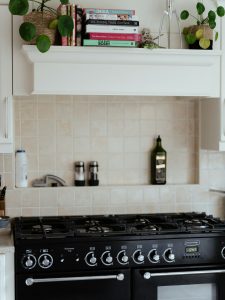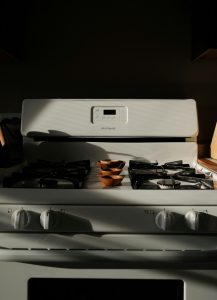
Asko cooker glass ceramic hob care applies directly to Asko’s freestanding CC364111S1, CC364111W1, and CC364211W1 cookers, all three of which are built with a glass-ceramic cooktop surface on top of the freestanding oven cabinet. The surface itself is the same general material family used across Asko’s standalone hob line, which means the same care principles apply, but a freestanding cooker’s cooktop sees somewhat different use patterns than a built-in hob, since it typically sits at the center of daily cooking with less counter space around it to catch spills before they reach the glass.
Daily wipe-down
A damp cloth with a small amount of mild dish soap, used once the surface has cooled from cooking, is enough for the great majority of daily cleaning on a glass-ceramic cooktop. Wiping consistently in one direction, rather than in a scrubbing motion, reduces the chance of dragging any gritty residue across the glass in a way that leaves fine scratch marks over time. A final pass with a dry cloth prevents water spotting that can look like a permanent mark if left to air dry.
Handling stuck-on residue
Because a freestanding cooker often sees more direct pan handling right at the cooktop edge, dragged pans and dropped utensils are a more common source of surface marks here than on a built-in hob tucked into cabinetry. A dedicated ceramic-safe scraper held at a shallow angle lifts burnt-on or sugary spills without gouging the glass the way a metal knife would. Working while the surface is still slightly warm generally makes stubborn residue easier to lift than waiting until it has fully hardened at room temperature.
What damages the surface
Steel wool, abrasive scouring pads, and powdered cleansers are all capable of leaving a network of fine scratches across a glass-ceramic surface, and those scratches accumulate visibly over years even if no single cleaning session looks damaging in the moment. Sliding heavy cast-iron cookware across the surface rather than lifting it to move it is another common source of scuff marks specific to a freestanding cooker, where the cooktop sits at a fixed working height cooks may not think twice about sliding a pan across.
Checking for cracks
A glass-ceramic surface is genuinely durable against heat but can crack from a sharp, heavy impact, such as a dropped cast-iron pan corner striking the glass directly. A hairline crack, even a small one, is not something to keep cooking on, since it can spread under thermal cycling and eventually compromise the surface entirely. If you notice a crack forming, stop using that zone and have it assessed before it grows.
Beyond the surface
Below the glass, the same care applies to any control area on the cooktop as on a standalone Asko hob: keeping it dry and free of standing liquid prevents unresponsive touch controls from becoming an ongoing frustration.
Browse our full Asko model library for cooker specifications, or book maintenance service at /schedule/. Asko’s cooker product information is published at global.asko.com.