Owners switching from a standard condenser dryer to one of Asko’s heat-pump models are often caught off guard by how much longer a cycle runs, and it is worth understanding upfront that longer asko dryer cycle duration on heat-pump models is expected behavior, not a problem.
Why heat-pump technology inherently runs slower
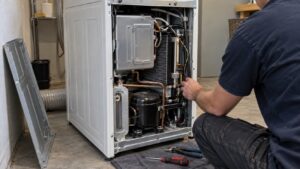
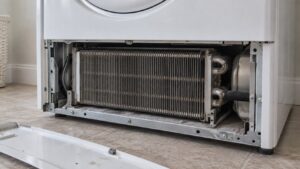
A conventional condenser dryer heats air with an electric element to a relatively high temperature and pushes it through the drum quickly, drying laundry fast but using more energy per load in the process. A heat-pump dryer, by contrast, extracts and recycles heat from the exhaust air through a refrigerant cycle rather than generating fresh heat from scratch, which runs at a meaningfully lower temperature. Lower temperature means moisture evaporates more slowly from the fabric, which directly translates into a longer cycle time for the same load.
The tradeoff you are actually getting
The extended asko dryer cycle duration on a heat-pump model is the direct tradeoff for the energy savings and gentler fabric treatment the technology provides. Recycling heat rather than generating it fresh on every pass is what makes heat-pump dryers significantly more efficient over the life of the appliance, and the lower operating temperature is genuinely easier on fabric fibers over years of repeated washing and drying.
How much longer is normal
Heat-pump cycles commonly run noticeably longer than an equivalent condenser cycle for a comparable load — the exact difference depends on load size, fabric type, and moisture content going in, so there is no single fixed number that applies to every load. What matters is recognizing the pattern as expected rather than assuming something has gone wrong the first time a heat-pump cycle takes considerably longer than the condenser dryer it replaced.
When a long cycle is actually a warning sign
A heat-pump dryer that has always run a predictable cycle length and suddenly starts taking dramatically longer, or that finishes a cycle with clothes still noticeably damp, is showing a real change worth investigating rather than normal heat-pump behavior. This pattern often points to a clogged condenser restricting airflow, a lint filter overdue for cleaning, or a heat-pump component beginning to fail.
Getting an unusually long cycle checked
Start with the basics — check and clean the lint filter and condenser, described in our separate maintenance guides, since restricted airflow is the most common and easiest-to-fix cause of a cycle running longer than its own established baseline. If cycle times remain excessive after confirming filters and the condenser are clean, our dryer repair service can diagnose the heat-pump system directly, and our dryer error code pages are worth checking in case your model’s display shows a related problem. You can book a visit if the issue persists.
Comparing your asko dryer cycle duration against the published baseline
If you want a reference point for what counts as a normal cycle length on your specific heat-pump model, Asko’s dryer pages list program details you can compare against what you are actually experiencing at home. Keep a rough mental note of your own machine’s typical cycle length for a standard load once you are familiar with it, since that personal baseline — not a generic published number — is the most useful comparison point for noticing a genuine change later. A dryer that consistently runs ten or fifteen minutes longer than its own established baseline for a similar load is worth a filter and condenser check well before it becomes a larger problem.
Seasonal effects on asko dryer cycle duration worth knowing about
Ambient room temperature and humidity can shift cycle duration somewhat, particularly for heat-pump models, which extract heat from the surrounding air as part of their operating cycle — a cold laundry room in winter can produce a modestly longer cycle than the same load run in a warmer room, which is worth keeping in mind before assuming a seasonal change in cycle time points to a problem.
Keep in mind that a genuinely oversized or heavily soaked load, such as bath towels straight from a heavy wash cycle, will always run longer than a lighter load regardless of dryer technology, so compare cycle duration against loads of similar type and size rather than across very different laundry categories.