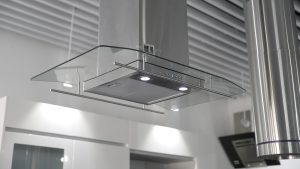
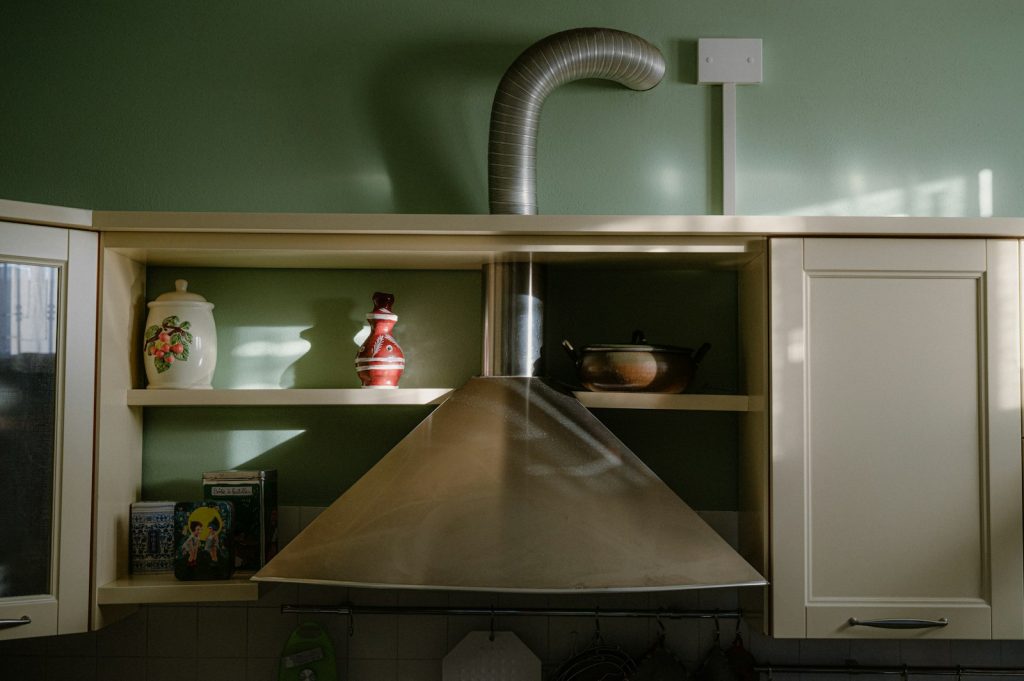
Asko hood carbon filter replacement is a different maintenance task entirely from cleaning the metal grease filter, and mixing the two up is one of the more common reasons a recirculating hood stops controlling odor effectively even though the owner has been diligent about cleaning. The carbon, or charcoal, filter sits behind the metal grease filter on a hood set up in recirculating mode, and it is the component actually responsible for adsorbing cooking odor before the air is returned to the kitchen.
Why it cannot just be washed
The metal grease filter works by physically trapping grease particles on a mesh surface, which is why running it through hot water or a dishwasher restores it to working condition. A carbon filter works completely differently, relying on the carbon material’s surface structure to chemically adsorb odor molecules as air passes through it. That adsorption capacity is finite and gets used up over time; once saturated, washing the filter does not restore its odor-adsorbing capacity, because the carbon itself has done its job and has nothing left to give. A saturated carbon filter needs replacing, not cleaning.
Signs the carbon filter needs replacing
The clearest sign is odor from cooking lingering noticeably longer than it used to, or being noticeably present in the kitchen even with the hood running, despite the grease filter itself being clean and airflow otherwise seeming normal. Because carbon filters degrade gradually rather than failing all at once, this decline can be easy to miss if you are used to the smell fading slowly over the years since the filter was last replaced.
A realistic replacement interval
General guidance for carbon filters on recirculating range hoods suggests replacement every three to six months for regular cooking use, though households that cook with strong odors frequently, such as significant frying or spice-heavy cooking, may need to replace theirs on the shorter end of that range. Since Asko does not publish a universal replacement schedule across every hood model in the manuals reviewed, checking your specific model’s documentation for a recommended interval is worth doing rather than assuming a single number applies across the whole range.
Ordering the correct filter
Carbon filter dimensions and mounting style vary between hood models, so ordering by Art. No. from your rating plate, rather than a generic carbon filter size, is the reliable way to get a correctly fitting replacement. This is exactly the kind of detail the Art. No. exists to resolve, since a filter that is close in size but not an exact fit will not seal properly against the housing and will let unfiltered air bypass it.
Replacing it yourself
Most carbon filters clip or slide into a housing behind the grease filter and can be swapped without tools once the grease filter is removed, though confirming your specific hood’s access panel location before starting saves time.
Browse our Asko range hood guides for the ducted versus recirculating comparison, or order parts through /services/range-hood-repair/. Asko publishes the hood’s technical sheet at global.asko.com.