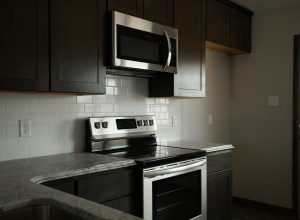
Every built-in Asko microwave relies on at least one, and usually multiple, asko microwave door interlock switch components mounted around the door frame, and their job is entirely about safety rather than convenience: they confirm the door is fully and correctly latched before the control board is allowed to activate the magnetron and generate microwave energy at all.
Why multiple switches are used
Microwave door systems typically use more than one interlock switch working together, specifically so that a single switch failure cannot allow the unit to run with the door open or improperly seated. This redundant design is a deliberate safety standard across the microwave industry generally, not something unique to Asko, because microwave energy escaping through even a small gap in an improperly sealed door poses a real exposure risk.
What happens when an interlock switch fails
Because the system is designed to fail safe, a failed asko microwave door interlock switch almost always results in the unit refusing to start at all, or stopping mid-cycle, rather than continuing to run with a compromised seal. This is by design – it is far better for the appliance to simply stop working than to run with a door safety system that cannot be trusted.
Common causes of an interlock problem
A door that does not close fully due to a worn hinge or a misaligned latch mechanism can prevent the switch from ever registering “closed” in the first place, even though the door looks shut from the outside. Food debris or grease buildup around the latch mechanism itself can also prevent full engagement. Less commonly, the switch component itself wears out electrically after years of repeated door cycles and stops registering reliably even with a correctly closing door.
Why this should never be bypassed
Some online guides describe bypassing or disabling a faulty interlock switch to keep a microwave running. This is genuinely dangerous with any microwave, including an Asko built-in unit, because it defeats the entire safety system that prevents microwave energy exposure through an open or improperly sealed door – it is not a workaround worth attempting under any circumstance, and it is a completely different category of risk from something like a cosmetic dent or a slow turntable.
Testing an asko microwave door interlock switch safely
Diagnosing which specific switch has failed, when a unit uses more than one for redundancy, requires testing each switch individually with the high-voltage section safely discharged first – not something to attempt without the right tools, since accessing the switch assembly at all means working near the same high-voltage compartment covered in our capacitor safety guide. A technician confirms continuity at each switch position with the door closed and open, isolating exactly which asko microwave door interlock switch has failed rather than replacing the whole assembly on a guess.
How door alignment issues can mimic an asko microwave door interlock switch failure
Because the switch relies on the door closing into a precise, repeatable position, a door that has become slightly misaligned – from a worn hinge, a bent frame, or a build-up of debris at the latch – can prevent the switch from registering correctly even though the switch component itself is perfectly healthy. A technician diagnosing this kind of suspected switch failure checks door alignment first, since correcting a misaligned door is a simpler and cheaper fix than replacing a switch that was never actually the problem.
Whether a loud click when closing the door is normal
A distinct, audible click as the door reaches its fully closed position is normal and is actually the sound of the latch mechanism engaging the interlock switches correctly – the absence of that click, or a door that closes with no resistance and no audible engagement at all, is a more useful warning sign of a developing latch or switch issue than an unusually loud click would be.
Getting an interlock problem diagnosed correctly
If your built-in Asko microwave will not start, or stops partway through a cycle, a faulty asko microwave door interlock switch is one of the more common causes worth checking first. Our experienced, independent technicians test and replace these switches safely, including the high-voltage discharge procedure this repair requires. See our guide on why DIY microwave repair is dangerous, browse our microwave repair service page, or book a visit at /schedule/. Asko’s own product safety documentation is at global.asko.com.