Asko induction hob ventilation overheating is a real, documented failure mode, and it is one of the more fixable causes of hob problems precisely because it usually has nothing wrong with the hob itself. The induction generator and control electronics that sit directly under the glass surface generate real heat during operation, and that heat has to move somewhere, normally down and out through ventilation space built into the cabinet cutout underneath the hob.
What Asko’s own codes say about this
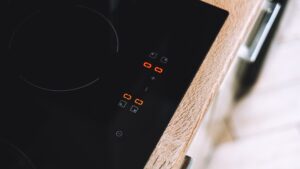
Two documented error codes describe exactly this condition. FA, in the F-series family, specifically means air circulation is not good, and the printed remedy is to make sure the ventilation holes under the cooking plate are open and unobstructed. F7, in the same family, and E2, in the Er-series family, both indicate the appliance has overheated more generally, with the remedy being to let it cool and restart on a lower setting. Seeing either of these repeatedly, especially during longer cooks at higher power, is a strong signal to check the cabinet space underneath the hob rather than assuming the generator itself has failed.
Why boards overheat underneath a hob
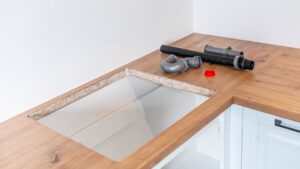
An induction hob’s cutout in the cabinet is specified with a minimum clearance underneath for a reason: the space allows air to circulate past the generator’s heat sink and away from the electronics. A cabinet drawer installed directly beneath the hob without the specified clearance, insulation material packed too close underneath during installation, or a cutout that was made tighter than the manufacturer’s specification can all restrict that airflow enough to cause the electronics to run hotter than they are designed for.
What to check yourself
If you can safely access the cabinet space directly beneath the hob, confirm there is genuinely open air space around the generator housing, not solid cabinetry, packed storage, or insulation pressed directly against it. Check that any dedicated cooling vents built into the cabinet toe-kick or side panel, if your installation includes them, are not blocked by stored items. If the hob is installed above an oven, confirm there is a proper heat-shield barrier between the two appliances, since oven heat rising directly into the hob’s ventilation space compounds the overheating issue significantly.
What a technician checks beyond ventilation
If cabinet clearance and airflow check out and the hob still overheats or throws FA or F7 repeatedly, the next step is checking the generator’s own cooling fan, since a failed or weakened fan inside the hob assembly produces the same symptom as blocked external ventilation but requires a different fix. A technician can distinguish the two by checking airflow at the vent openings directly during operation.
Preventing repeat installations from having this problem
If you are installing or reinstalling an Asko induction hob, following the manufacturer’s minimum clearance specification underneath the unit from the start avoids this issue entirely rather than diagnosing it after the fact.
Book a diagnostic visit at /services/cooktop-repair/, or see other documented Asko cooktop error codes. Asko’s installation clearance specifications are published at global.asko.com.